Christmas Light Colors: How to Choose the Right Display for Every Holiday
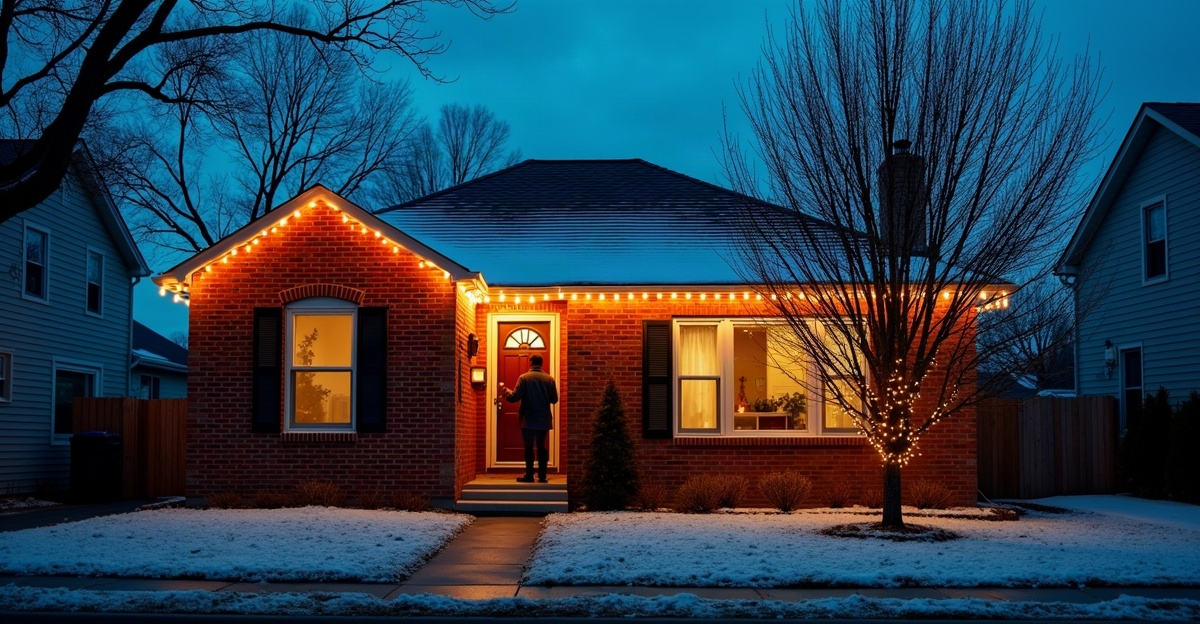
Choosing Christmas light colors starts with our property’s architecture, exterior finishes, visibility needs, and the mood we want to create. A limited, coordinated palette creates a balanced street-facing display. We can pair warm white with red for a classic look or cool white with blue for a winter theme.
Key Takeaways
- We match light colors with rooflines, siding, brick, landscaping, and our property’s architectural style.
- We use warm white for a softer, traditional appearance and cool white for a crisp winter look.
- We keep rooflines consistent with one primary color or a simple two-color pattern.
- We add accent colors at entryways, peaks, trees, and storefront features without crowding the display.
- We program color-changing lights with a few coordinated scenes for a polished finish.
Choose a Christmas Light Color Palette That Fits Your Property
We start every Christmas light display with the atmosphere we want the property to create. A classic home may call for warm, welcoming colors, while a storefront may need a brighter display that stands out without competing with its signage.
Christmas light colors should work with the features already in place. We look at roof color, siding or brick, landscaping, architectural style, and the appearance of nearby homes or businesses. A dark roofline can make cool white lights look crisp and defined. Brick, stone, and warm siding tones often pair naturally with warmer colors.
There is no single right combination of outdoor Christmas light colors for every property. A limited palette with a clear outdoor holiday lighting design usually looks more polished than a mix of unrelated colors, flashing patterns, and fixture styles. Consistency improves curb appeal, helps the display read clearly from the street, and gives the property a more intentional holiday look.
Visibility matters as well. A subtle display may use white lights and restrained accents around the entryway. A high-visibility Christmas light display can use stronger contrast, fuller roofline coverage, and organized color placement. We help homes and commercial properties choose holiday lighting colors that fit their setting, goals, and audience.
Christmas Light Color Combinations for Traditional, Elegant, Playful, and Winter-Inspired Displays
Christmas light color ideas become easier to narrow down once we choose the feeling the display should create. Rather than using every available color, we recommend building around one primary look and adding limited accents where they matter most.
Choose Colors by the Effect We Want
Traditional displays often pair warm white and red. This combination works especially well along rooflines, peaks, entryways, wreaths, and porch columns. Red adds clear holiday character, while warm white keeps the property welcoming and easy to view.
For elegant Christmas lights, warm white is a strong foundation. It creates a softer, more traditional appearance than blue-toned white lighting. Small gold accents can add depth around entryways, dormers, landscaping, and upscale commercial façades without taking over the display.
Cool white and blue and white Christmas lights create a winter-inspired effect. Cool white Christmas lights have a crisper, icier appearance that works well on rooflines, bare trees, pathways, and snow-covered landscapes. Blue should support the white rather than overwhelm it, especially on residential properties.
Red, green, and gold create a festive design with more color while still looking organized. We assign each color a purpose. For example, green can outline trees, red can define the roofline, and gold can highlight storefront trim or an entry feature.
Multicolor Christmas lights can be a good fit for family-focused homes, restaurants, storefronts, and community-facing properties. The key is intentional spacing and a repeatable color pattern. A planned multicolor layout feels cheerful; random fixture colors can make the property look visually busy.
Warm White vs. Cool White: Why the Shade of White Matters
White Christmas lights are not all the same. The difference between warm white vs. cool white Christmas lights has a major effect on the finished display, even when every bulb appears white from a distance.
Warm white outdoor lights create a softer glow with a traditional feel. They often complement brick, stone, wood details, warm-toned siding, and classic architecture. They also work well for entryways and areas where we want people to feel invited in.
Cool white outdoor lights create a brighter, cleaner appearance with an icy undertone. They can complement modern finishes, dark rooflines, contemporary homes, and winter-themed designs. Cool white also pairs naturally with blue accents, especially in tree wraps and landscape lighting.
We recommend choosing one white temperature for the primary display whenever possible. Mixing warm white and cool white lights without a defined plan can make a roofline, peak, or landscape look mismatched. If the property already has exterior lighting in one color temperature, we consider that lighting before selecting holiday fixtures.
Where to Place Each Christmas Light Color for a Balanced Display
Good Christmas light placement ideas make colors look intentional. We use the property’s strongest architectural lines first, then add color to features that deserve attention without crowding the entire exterior.
Roofline Christmas lights should usually use one consistent primary color or a simple alternating two-color pattern. This defines the home’s shape and creates a clean outline from the street. Peaks can continue the roofline color or use a limited accent for added emphasis.
Dormers and entryways are natural focal points. Warm white often frames these areas well, while a controlled red, green, blue, or gold accent can direct attention toward the front door. On homes with several dormers, repeating the same treatment keeps the façade balanced.
Trees, shrubs, and landscaping should stay within one complementary color family. Cool white and blue support a winter look. Red and warm white feel more traditional. We avoid placing competing colors across nearby shrubs and trees because the individual features can disappear into the overall display.
Pathways need clear, consistent illumination that supports visibility. Path lights should complement the roofline rather than compete with it. A white-light pathway is often the simplest choice, even when the roofline includes brighter Christmas light colors.
Commercial Christmas lighting needs to support the business as well as the holiday. For storefront holiday lights, offices, restaurants, and managed properties, we consider customer visibility, brand colors, tenant experience, signage, and the building’s overall appearance. A welcoming, well-organized display helps the property look active and cared for without distracting from the business.
How to Use Color-Changing Christmas Lights Without Making the Display Look Chaotic
Color-changing Christmas lights give homeowners and businesses flexibility for Christmas, other holidays, special events, and subtle daily accent lighting. With programmable outdoor lights, we can switch from warm white for everyday use to red and green for Christmas without reinstalling a new display.
The system still needs a thoughtful layout. Fixture spacing, mounting locations, programming, and the property’s architecture all affect the final look. Color-changing fixtures can produce strong results, but every property has different rooflines, trim details, and viewing distances. We plan around those conditions instead of expecting the same effect everywhere.
We recommend using a few coordinated programs rather than changing every fixture independently. Warm white can provide everyday accent lighting, red and green can mark Christmas, cool white and blue can carry a winter theme, and selected brand-supporting colors can suit commercial events.
For homes and businesses that want this flexibility, smart lighting automation makes scheduling and color changes easier to manage. A consistent program helps permanent Christmas lights look polished from the curb and gives the property a clear visual identity throughout the season.
Permanent Outdoor Lighting for Christmas and Year-Round Celebrations
Permanent outdoor lighting gives Greater Rochester homes and businesses a convenient way to use holiday colors without repeated seasonal installation. The fixtures stay integrated with the property, creating a clean appearance while providing programmable options for Christmas, winter events, celebrations, and everyday exterior accents.
For many properties, the practical benefit comes first. Permanent exterior lighting reduces repeated ladder use and seasonal roofline installation, which is especially appealing during Greater Rochester winters. It also allows us to create a customized layout that fits the roofline, peaks, entryways, and key exterior features.
Temporary and DIY lighting can still work well for some properties. Professional Christmas light installation in Rochester, NY can be helpful when roofline access is difficult, when a property needs a more refined design, or when reliable setup and removal matter. We provide permanent holiday lighting for homeowners and businesses that want lasting convenience and flexible color control.
Before choosing a system, it helps to understand permanent outdoor lighting costs and the factors that affect a project, including building size, roofline length, installation access, and control options.
For holiday lighting Rochester, NY, properties can enjoy season after season, we can help plan colors for a home, storefront, office, restaurant, or managed property. Request an Estimate to discuss the display, or See Our Work for ideas from completed installations.